


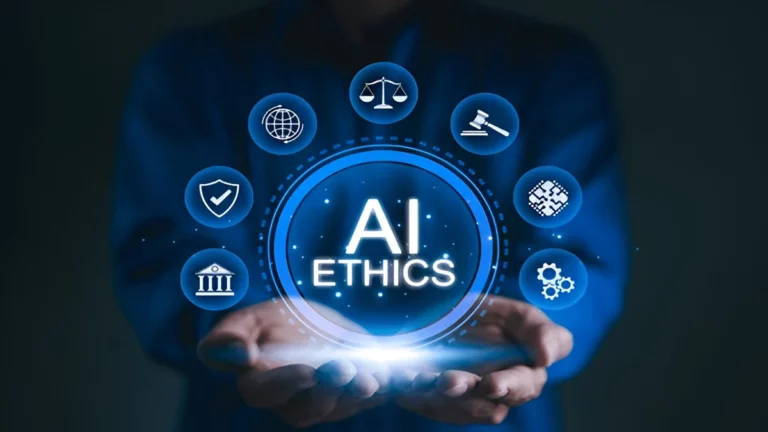
AI is rapidly altering the workplace, creating serious concerns about who will hold the jobs of the future. Furthermore, AI is transforming not only how we work, but who gets to work. Understanding and examining the ethical implications of AI in employment is necessary. Moreover, investigating the possibility of bias and discrimination in automated decision-making is also vital.
Additionally, we must keep up to date on the ethical implications of AI in the workplace and investigate its possible impact on employment.
To understand this, we need to learn about AI ethics and how they guide the responsible development and use of artificial intelligence in the workplace.
Dive into this blog to learn about the moral principles and values that help ensure AI technologies are designed and implemented in fair ways. Additionally, learn how they hold the potential for both advancement and risk.
The Growing Role of AI in the Workplace
AI is ever-advancing in the workplace. Hence, this fuels the necessity for AI ethics to be implemented wisely. AI is significantly transforming the workplace by automating tasks, enhancing decision-making, and fostering innovation, leading to increased efficiency and productivity
Here is how AI is growing in the workplace –
- Automation of Routine Tasks: AI-powered systems can automate repetitive, manual tasks, freeing up employees to focus on more strategic and creative work.
- Data Analysis and Decision-Making: Furthermore, AI can analyze vast amounts of data to identify trends, patterns, and insights that can inform better business decisions.
- Improved Workflow Efficiency: Additionally, AI tools can optimize workflows, streamline processes, and enhance overall operational efficiency.
- Creation of New Roles: Moreover, while some jobs may be automated, AI is also creating new roles in areas like AI development, maintenance, and data science.
- Augmentation of Existing Roles: Also, AI is not just about replacing jobs; it’s also about augmenting human capabilities. AI tools can empower employees to perform their jobs more effectively and efficiently.
Learn about what is ai ethics.
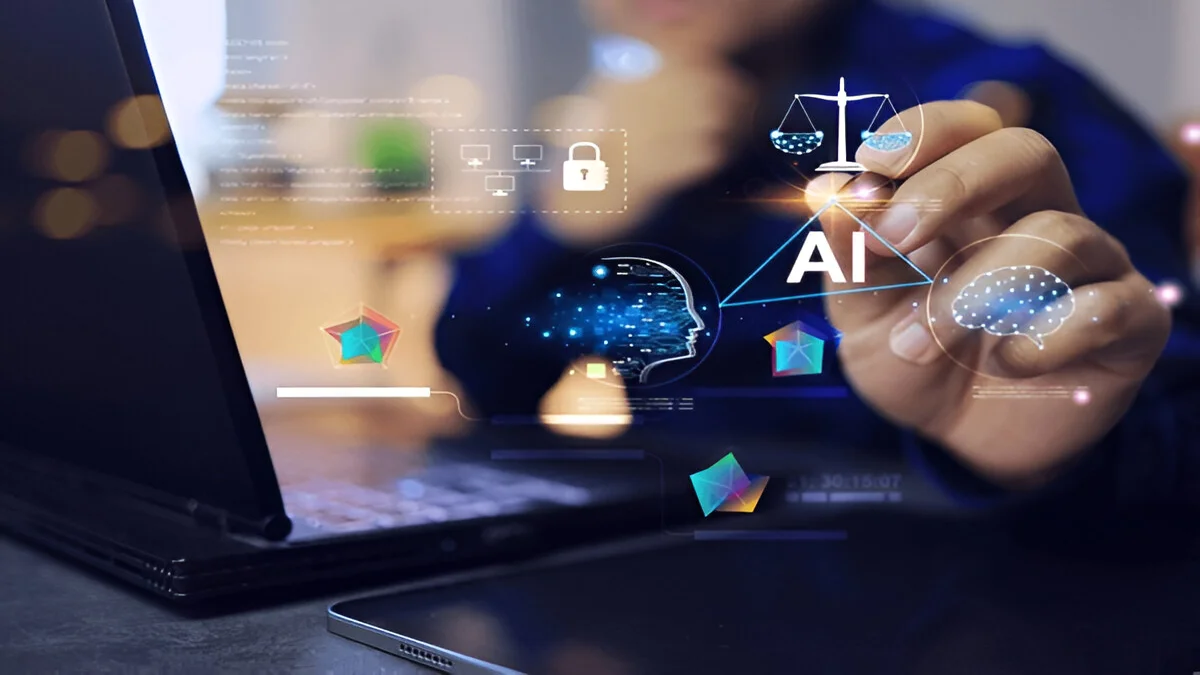
AI ethics refers to the moral principles that guide the development and use of artificial intelligence technologies. Moreover, it focuses on ensuring that AI systems are developed and deployed in a way that is fair, transparent, accountable, and respects human values.
Furthermore, this field examines the potential societal impacts of AI and aims to mitigate risks while maximizing benefits.
Here is a more detailed look at the concept of the Key Aspects of ai ethics –
- Human wellbeing and dignity: AI systems should always prioritize and ensure the wellbeing, safety, and dignity of individuals. Thus, neither replacing humans nor compromising human welfare.
- Human oversight: AI needs human monitoring at every stage of development and use, sometimes called “a human in the loop”. Moreover, this is to ensure that ultimate ethical responsibility rests with a human being.
- Addressing bias and discrimination: Furthermore, design processes should prioritize fairness, equality, and representation to mitigate bias and discrimination.
- Transparency and explainability: Moreover, this includes how AI models make specific decisions and produce specific results. They should be transparent and explainable in clear language.
- Upholding data privacy and protection: AI systems must meet the most stringent data privacy and protection standards. Hence, using robust cybersecurity methods to avoid data breaches and unauthorized access.
- Promoting inclusivity and diversity: AI technologies need to reflect and respect the vast range of human identities and experiences.
- Society and economies: Further, AI should help drive societal advancement and economic prosperity for all people, without fostering inequality or unfair practices.
- Enhancing digital skills and literacy: AI technologies should strive to be accessible and understandable to everyone, regardless of a person’s digital skills.
- The health of businesses: Lastly, AI business technologies should accelerate processes, maximize efficiency, and promote growth
Why are the ethics of ai important?

AI ethics are crucial because they ensure the responsible and beneficial development and deployment of AI technologies. Moreover, they address potential harms, promote fairness, and guide AI towards positive societal impact.
On the other hand, they also consider human rights and values. Without ethical considerations, AI could perpetuate biases, erode trust, and cause significant harm, hindering its potential for good. Here’s a more detailed look at why AI ethics are important:
1. Preventing Harm and Bias:
- Minimizing Negative Consequences: Firstly, AI ethics frameworks help identify and mitigate potential harms, such as discrimination, privacy violations, and job displacement.
- Addressing Bias: AI systems can inherit and amplify biases present in training data, leading to unfair or discriminatory outcomes. Furthermore, ethical guidelines help identify and correct these biases, ensuring fairness and equity.
2. Promoting Fairness and Transparency:
- Accountability and Transparency: Additionally, ethical guidelines emphasize the importance of transparency in AI systems, making them more understandable and accountable for their actions.
- Fairness in Decision-Making: Moreover, AI ethics aims to ensure that AI systems make fair and unbiased decisions, particularly in areas like hiring, loan applications, and criminal justice.
3. Enhancing Societal Benefit:
- Directing AI Towards Positive Impact: Further, AI ethics guides the development of AI systems that address societal challenges, such as healthcare, education, and environmental sustainability.
- Fostering Trust and Acceptance: Moreover, by prioritizing ethical considerations, AI development can build trust and promote public acceptance of AI technologies.
Also read:
- India’s Vision: The future of robotics by 2050 and Beyond
- Meet nothing phone 3a pro – Style Meets Power
- Why the samsung galaxy s25 ultra Redefines Premium Phones?
- DALL·E Mini to dall-e 3: Free AI Thumbnail Maker
- The Secret to Stock Prediction? DIY AI in Action!
Human vs AI in the workplace
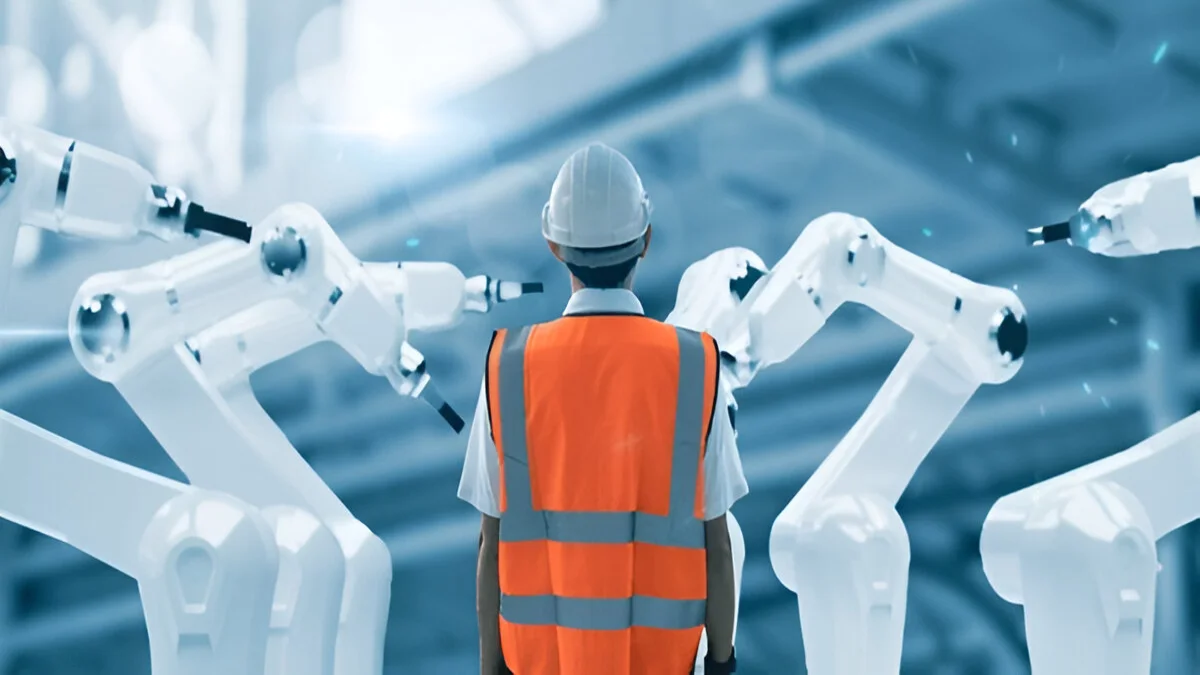
In the workplace, humans and AI excel at different things. Moreover, humans are strong in areas like creativity, emotional intelligence, and complex problem-solving. On the other hand, AI is better at handling repetitive, data-driven tasks and providing efficient data analysis. Here’s a more detailed breakdown of the debate:
Human Strengths:
- Creativity and Innovation: Humans are inherently creative and can adapt to new situations, generating novel ideas and solutions.
- Emotional Intelligence: Additionally, humans possess the ability to understand and respond to emotions. This is crucial for building relationships and navigating complex social situations.
- Complex Problem-Solving: Humans can analyze situations, identify patterns, and develop solutions that go beyond pre-programmed algorithms.
- Adaptability and Flexibility: Furthermore, humans can adapt to changing circumstances and learn new skills, making them valuable in dynamic work environments.
- Empathy and Communication: Moreover, humans excel at understanding and responding to the needs and emotions of others, fostering collaboration and teamwork.
AI Strengths:
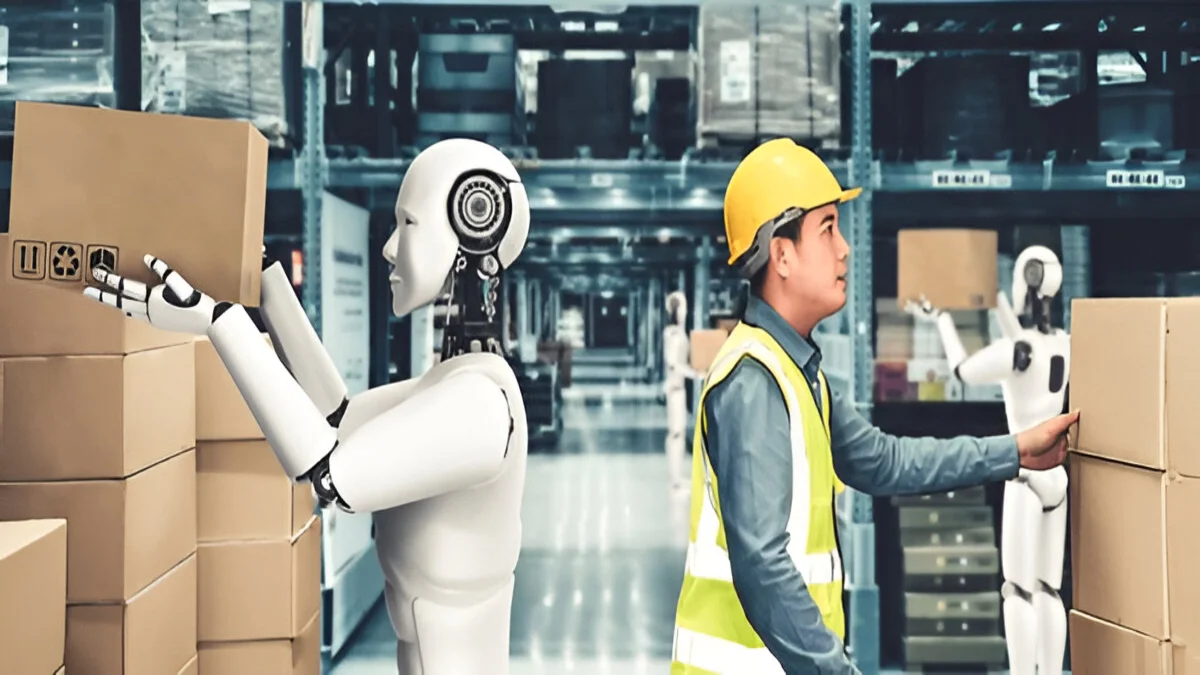
- Repetitive Task Automation: AI excels at automating repetitive and mundane tasks, freeing up human workers for more engaging and challenging work.
- Data Processing and Analysis: Additionally, AI can analyze large datasets quickly and efficiently, identifying patterns and insights that might be missed by humans.
- Efficiency and Speed: Moreover, AI can perform tasks with greater speed and efficiency than humans, especially when dealing with large volumes of data.
- Consistency and Accuracy: Furthermore, AI can perform tasks with a high degree of consistency and accuracy, minimizing errors that might occur due to human factors.
- 24/7 Availability: Also, AI systems can operate continuously without needing rest or breaks, increasing productivity and efficiency.
Conclusion
The future of work likely involves a collaboration between humans and AI. This will be a place where AI augments human capabilities and allows humans to focus on more strategic and creative tasks.
Additionally, by combining the strengths of both humans and AI, workplaces can become more efficient, innovative, and productive. However, this collaboration will yield benefits if it is done per ai ethics.
Now is the time to champion ethical AI practices and shape a workplace where technology empowers people, not replaces them!
To Get More Updates, Click Here