

Imagine your next favorite song. Now, what if a computer made it? This is the world of ai music. Surprisingly, there would be no long nights in the studio. In addition, there would be no deep feelings involved. Just lines of code and smart machines. Furthermore, these machines never get tired. They also don’t get stage fright. That’s right. Artificial intelligence (AI) isn’t just writing essays anymore. Moreover, it’s not just making pictures. Indeed, now it composes music. This music, surprisingly, sounds real. Consequently, it is emotional. Furthermore, it is complex. Sometimes, it is even catchy.
This naturally leads to a big question: Can AI truly replace human creativity? Or, conversely, does it just cleverly mix old songs? In this blog, we will look at how AI makes music. Next, we will see why some artists worry. Beyond that, we will also explore if a computer can ever really “feel” music like a human. Ultimately, what we learn might change how you hear your favorite songs. Let’s start!
How AI Makes Music Happen
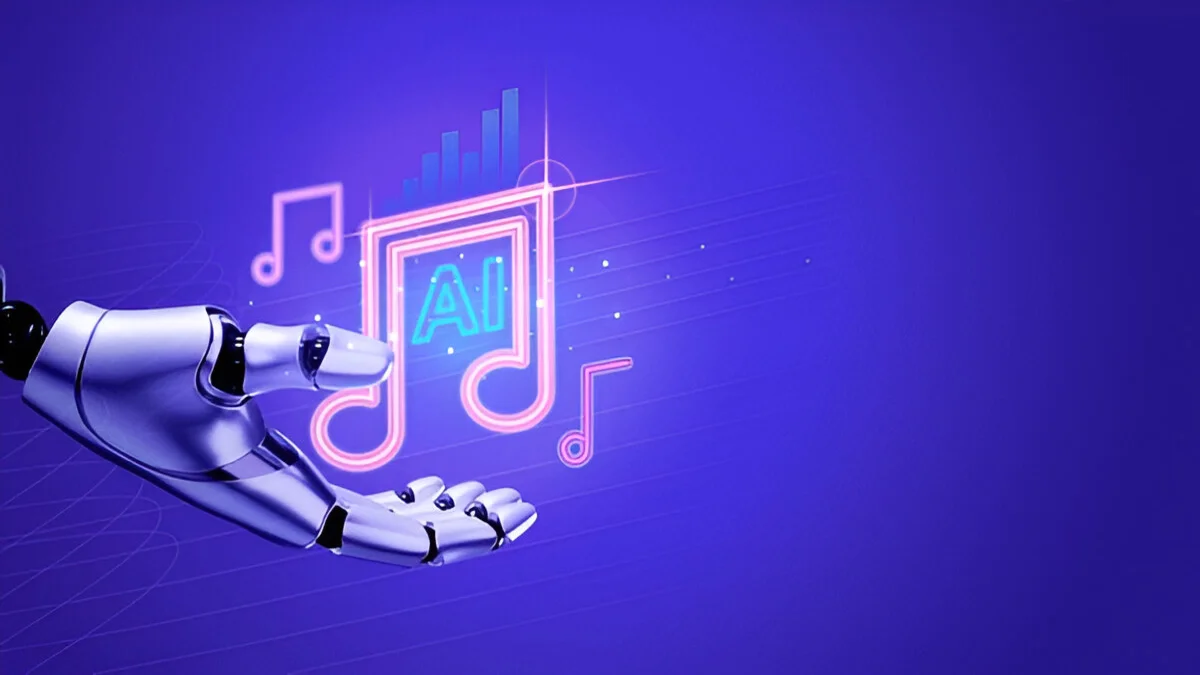
So, how exactly does AI music come to life? It’s certainly not just a machine hitting random keys. That’s simply too simple. Instead, advanced ai music generator, like AIVA or Google’s MusicLM, learn from tons of existing music. First, they break everything down. For instance, they analyze rhythm, melody, and harmony. They even pick up the specific mood of different music styles. Then, after understanding this, they use this knowledge. Consequently, they create brand-new songs.
Think of it like this: AI consumes almost every song ever made. After that, we ask it to make something totally “new.” Clearly, it’s not copying in the usual way. Instead, it’s more like very informed inspiration. The amazing part, furthermore, is how good some of this AI-generated music sounds. Often, you wouldn’t know a human didn’t make it. Even if someone told you, you might still wonder.
AI in the Studio: Tools for Today’s Artists
 Believe it or not, AI is already common in music studios. For example, pop stars and producers use AI programs. They create catchy parts, background tracks, and even song lyrics. Indeed, famous artists, like Taryn Southern, released whole albums. AI helped a lot with their music.
Music producers, furthermore, really like how efficient AI is. Do you need a jazz beat? Specifically, at 92 BPM? With a chill, lo-fi feel and no royalties? An AI can make it instantly. In fact, some AI tools have made songs just like The Beatles. Many fans, consequently, thought these were old, lost tracks from the 1960s. Some people call this exciting new progress. Others, conversely, call it musical cheating. But no matter your view, AI is now a serious part of the music world.
Also read:
Popular ai music Tools:
- AIVA: This tool is known for classical music. Specifically, it’s used in movies and games.
- Amper Music: This platform, on the one hand, is easy to use. On the other hand, it makes custom, royalty-free music.
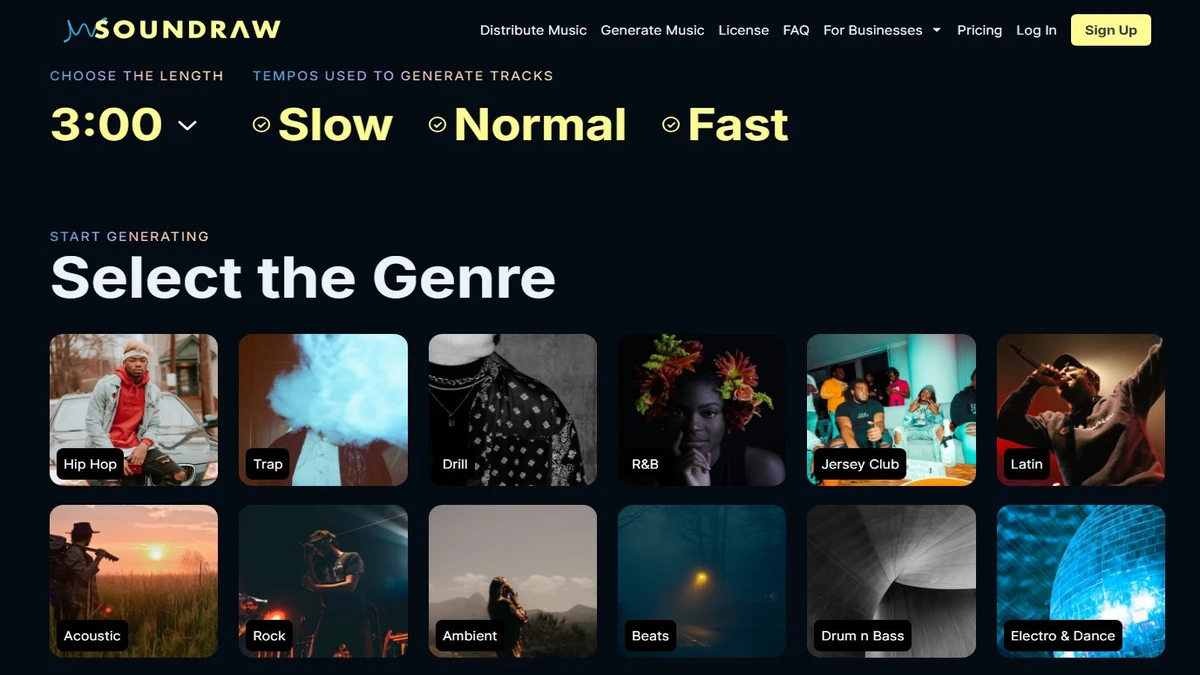
- Soundraw: This tool helps creators make music. It offers many styles and moods.
- LANDR: This is an AI-powered tool. It helps prepare songs for release.
- AI: This offers AI voice cloning. Additionally, it has singing generators and vocal tools.
The Big Debate: Can Machines Truly Be Creative?
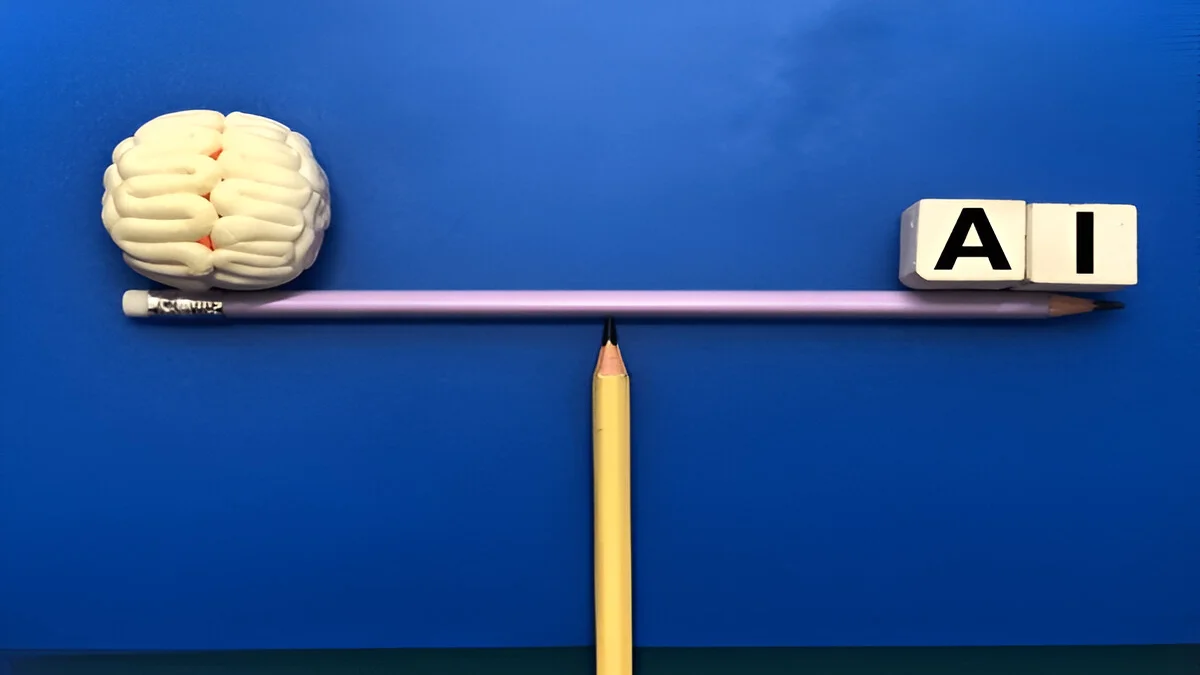
Now, let’s talk about a deeper idea. Can a machine really be “creative”? Can it, for example, feel things like heartbreak? Or pure joy? What about that mix of old memories and too much coffee? Human creativity, in contrast, is often messy. It’s very personal. Human creativity often starts very early. It draws from experiences in childhood. It also comes from tough times, like hard breakups. Sometimes, it even comes from nights spent awake. Sudden ideas, moreover, can strike at 2 AM.
However, AI doesn’t have these experiences. It doesn’t feel emotions. Instead, it just calculates. For instance, an AI doesn’t dream about flying. Instead of writing a song because of a personal feeling, like seeing a beautiful sunset, AI simply recognizes existing patterns. It then works with various possibilities to generate new music. While ai music generator can sound creative, is the machine truly “feeling” the music? Or is it just very good at copying human emotion? This, undoubtedly, is the main point of the ongoing debate.
Key Differences: Human vs. AI Creativity
- Human Creativity:
- It comes from feelings, experiences, and personal stories.
- It’s often messy, sudden, and hard to guess.
- It creates meaning. Ultimately, it helps people connect.
- It changes with culture and society.
- AI Creativity:
- It’s based on math, data, and finding patterns.
- It’s very fast and efficient. It can make endless versions.
- It copies existing styles. Crucially, it does not truly feel or understand.
- It can be made to fit popular trends.
ai music: A Threat or a Powerful New Collaborator?
Some musicians worry a lot. They fear AI will make them useless. Why, they ask, hire a human composer? An AI can make many versions in minutes. It doesn’t need breaks. It doesn’t ask for royalties.
But wait. AI doesn’t have to replace artists. Instead, it can actually help them. Think of it as a super smart helper. It’s like a bandmate who never argues. This helper can make hundreds of versions of your song part instantly. Many artists already use ai music. Artists often use AI to spark new ideas. Additionally, they employ it to discover fresh sounds. Furthermore, they can use it to combine different music styles in truly exciting ways. So, therefore, the real problem might not be AI replacing musicians. Rather, it could be musicians who don’t learn to use AI.
Ways ai music generator Can Empower Artists:
- Breaking Creative Blocks: For example, AI can suggest new tunes, chord patterns, or rhythms.
- Efficient Production: AI tools can do repetitive work. This includes, for instance, mixing or preparing tracks.
- Sound Exploration: Artists can try new sounds and styles much faster.
- Personalized Workflows: AI can learn an artist’s way of working. Thus, it helps them keep their unique sound.
- Democratization of Music: Now, anyone can make music. You don’t need special training.
Will Listeners Care About Authenticity?
What about us, the people listening? Will we care if a human or a machine made our favorite song? Honestly, most people just want good music. If a song sounds good, feels right, and gets stuck in your head, you will likely add it to your playlist.
However, knowing a human made a song still feels special. Indeed, it’s powerful to know a real person put their feelings into those words and notes. Can ai music generator ever truly capture that real feeling? Or are we moving to a future where data, not real feelings, makes hit songs? Studies show that people do care about realness. In fact, some artists even get more listeners after talking about their human touch. This clearly shows that even if AI makes music, the human part still deeply connects with us.
Ethical Questions and What’s Next
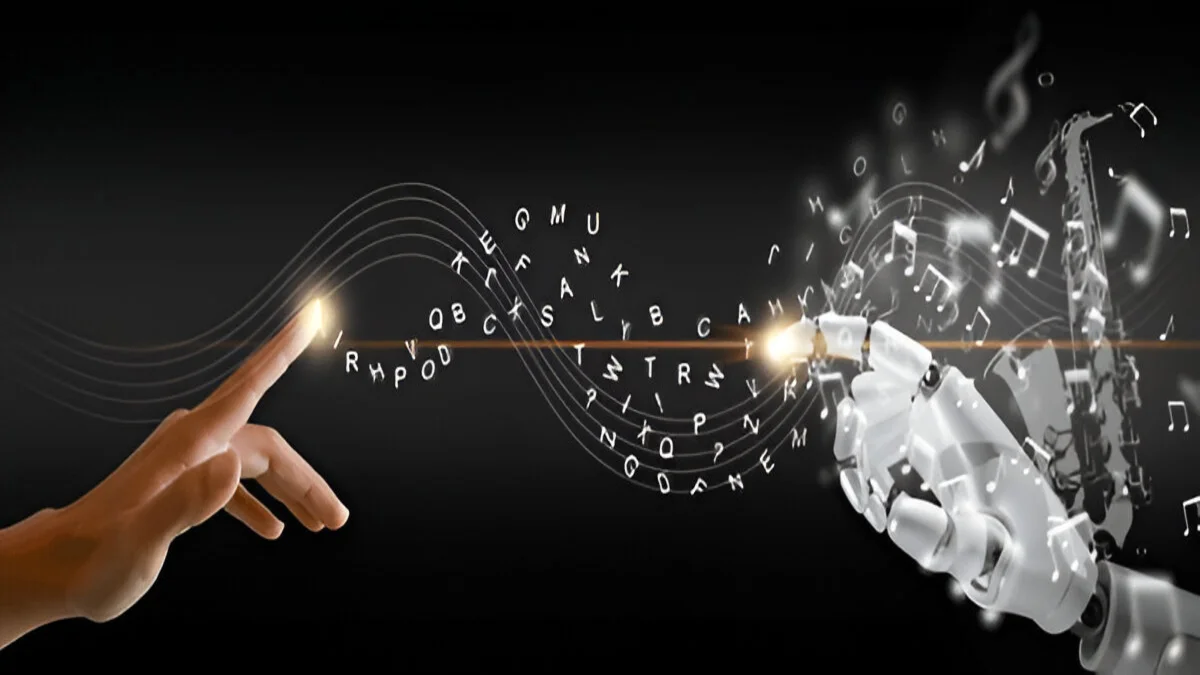
The rise of AI in music also brings important questions about what is right and wrong.
Key Ethical Considerations:
- Authorship and Ownership: Who owns the song made by AI? Is it the person who programmed it? Or the user who asked for it? Perhaps the AI itself? Our current laws, furthermore, are trying to catch up.
- Plagiarism and Mimicry: AI learns from existing music. So, what if it makes something too much like a famous artist’s style? What if it does this without permission? This, notably, is a growing worry.
- Fair Compensation: If AI makes music cheaply and fast, how will human artists earn money? There’s a risk of fewer royalty payments. Jobs might disappear, especially for those making simple or background music.
- Algorithmic Bias: If AI learns mostly from certain types of music (like only Western music, or only male artists), it might keep those biases. Consequently, this could limit new music styles.
- Transparency: Should AI-made music clearly say it’s from AI? This, indeed, is a big topic for artists and music companies.
Conclusion
Can ai music truly replace human creativity? Not fully. AI can copy styles and create melodies. It can even mimic emotions. However, AI doesn’t feel, struggle, or dream. Human creativity comes from joy, sadness, and personal chaos – things AI can’t grasp.
AI can compose music, sometimes beautifully. But it cannot replace the soul of human creativity. Real creativity is more than code; it’s about passion, pain, and purpose. An AI might write the tune, but the human heart gives it meaning.
The future of music will blend human and AI efforts. AI will act as a co-pilot, helping artists with ideas and technical tasks. This lets humans focus on the song’s emotional core. While AI is a powerful tool for new sounds and personalized listening, it lacks a soul. The true connection in music will always stem from human artistry. Let’s embrace these tools, but always remember the unique magic of human creation.
To Get More Updates, Click Here