


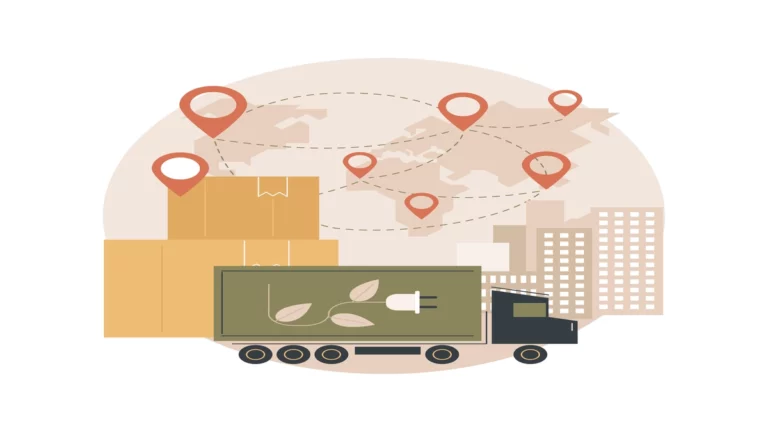
The logistics and delivery industry moves faster than ever before. Every second counts when transporting goods, whether it’s a small package or large freight. People now expect deliveries to arrive quickly, safely, and on time. As a result, logistics companies rely heavily on technology to meet these high expectations.
From online tracking to mobile apps and intelligent routing, everything works together to create a smooth delivery process. Interestingly, tools like vahika login make these operations even easier by connecting transporters, shippers, and drivers in one place. In this blog, let’s explore how the quick-paced logistics and delivery world operates, what makes it so efficient, and how digital platforms help streamline the entire system.
Growing Need for Speed in Logistics
In the modern world, speed is everything. Customers no longer want to wait for days to receive their orders. They want same-day or even same-hour deliveries. Because of this growing demand, logistics companies must move faster and smarter than ever.
Moreover, as global trade continues to expand, the supply chain has become more complex. Goods travel across countries, through ports, warehouses, and highways, before finally reaching customers. Therefore, companies use modern systems to keep track of every movement.
Additionally, automation, artificial intelligence, and real-time data have made the process more transparent and efficient. Today, businesses can plan routes, monitor shipments, and handle delays instantly, which saves both time and money.
Key components of a quick-paced logistics system-vahika login
 To keep up with the fast-moving logistics world, companies must build systems that balance speed with reliability. Below are the main components that make it possible:
1. Smart Warehousing
Modern warehouses now use robotics and AI to handle goods. Automated storage and retrieval systems (ASRS) ensure that items are packed and shipped quickly. These technologies minimize human error and maximize productivity.
2. Real-Time Tracking
Tracking is at the heart of quick-paced logistics and delivery. Real-time GPS systems allow both customers and companies to follow shipments from pickup to doorstep. With tools like vahika login and other tracking dashboards, managers can instantly locate trucks, reduce idle time, and improve coordination.
3. Route Optimization
Deliveries often slow down due to inefficient routing. However, with route optimization software, logistics teams can find the fastest path for each delivery. The software analyzes factors such as distance, fuel costs, and traffic to ensure on-time arrival.
4. Automation and AI
Artificial intelligence and automation have completely transformed logistics operations. AI predicts demand, plans routes, and helps manage inventory levels. This ensures that companies can respond quickly to sudden market changes.
5. Data-Driven Decision Making
Quick-paced logistics thrives on accurate data. Data analytics tools provide insights into delivery times, customer preferences, and performance metrics. This allows companies to fine-tune their operations and deliver even faster.
The Role of Artificial Intelligence in Delivery Operations
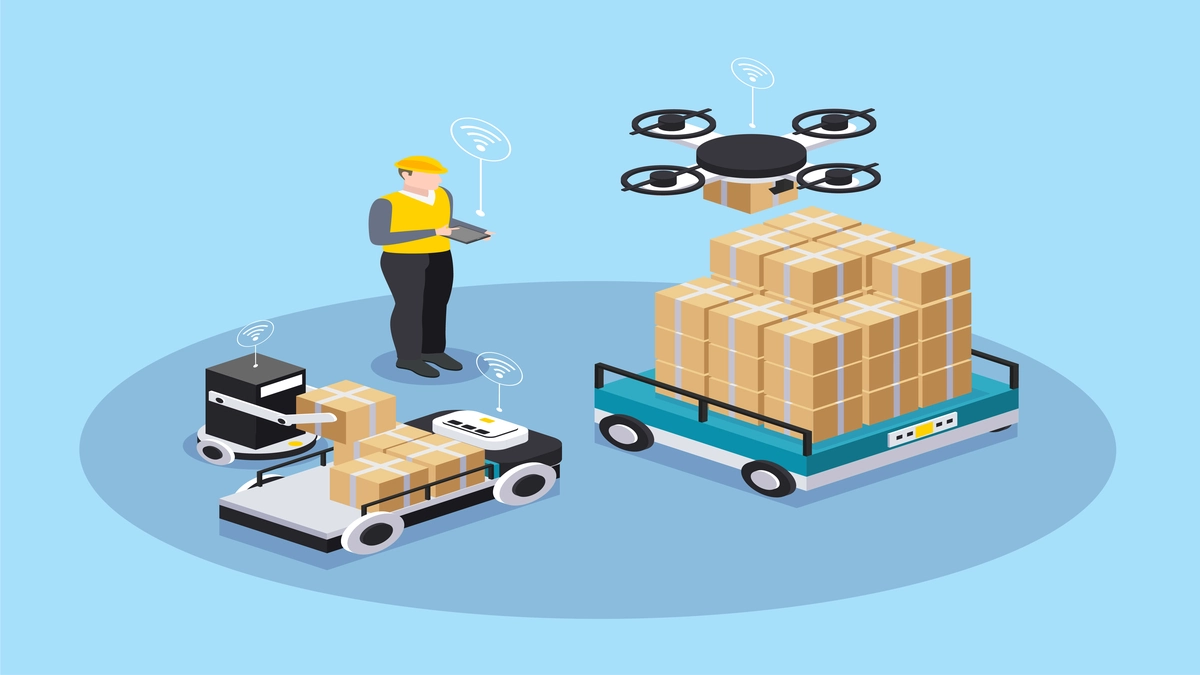
Artificial intelligence (AI) has become a game-changer in logistics. It helps companies analyze large amounts of data to make better decisions. For example, AI can predict traffic patterns, calculate the fastest route, and even suggest when a vehicle needs maintenance.
Furthermore, AI systems improve customer experience by providing accurate delivery estimates. When customers know exactly when their packages will arrive, they feel more satisfied.
AI also helps in inventory management. Analyzing sales data and shipping trends ensures that warehouses always have the right amount of stock. Therefore, businesses avoid overstocking or running out of products.
Importance of Coordination and Communication
In a quick-paced logistics environment, coordination is key. One small communication gap can lead to big delays. That’s why most logistics networks depend on connected systems and apps.
Through digital platforms, drivers, managers, and clients can share updates instantly. For example, when a truck gets delayed, the system automatically notifies the customer. Similarly, tools like vahika login keep everyone on the same page by allowing real-time communication between service providers and clients.
Because of this smooth coordination, problems get solved faster, and operations stay on track. In addition, companies can maintain a better reputation by offering consistent and transparent service.
Also read:
- India’s Vision: The future of robotics by 2050 and Beyond
- Meet nothing phone 3a pro – Style Meets Power
- Why the samsung galaxy s25 ultra Redefines Premium Phones?
- DALL·E Mini to dall-e 3: Free AI Thumbnail Maker
- The Secret to Stock Prediction? DIY AI in Action!
The Role of Data Analytics in Decision-Making
Every successful logistics operation runs on data. From fuel usage to delivery times, every bit of information counts. With advanced data analytics, companies can identify patterns and make more intelligent choices.
For example, by studying traffic data, businesses can adjust delivery routes to save time. Likewise, by tracking vehicle performance, they can schedule timely maintenance to avoid breakdowns.
Moreover, data analytics helps forecast future demands. When companies know what to expect, they can plan resources more effectively. Therefore, analytics not only boosts efficiency but also cuts unnecessary costs.
Challenges in the Quick-Paced Delivery Industry
Although the industry is growing rapidly, it faces several challenges. Traffic congestion, fuel costs, labor shortages, and unpredictable weather can all affect delivery timelines.
Additionally, as customer expectations rise, companies must maintain perfect accuracy. Even a single delay can harm brand reputation.
Another challenge is data security. Since logistics systems rely heavily on online platforms, protecting customer information is crucial. Fortunately, secure systems like Vahika Login ensure data safety while keeping operations smooth.
To overcome these challenges, companies constantly invest in new technologies and staff training. With better planning and advanced systems, they can continue to deliver excellence despite obstacles.
Digital Platforms Simplifying Operations
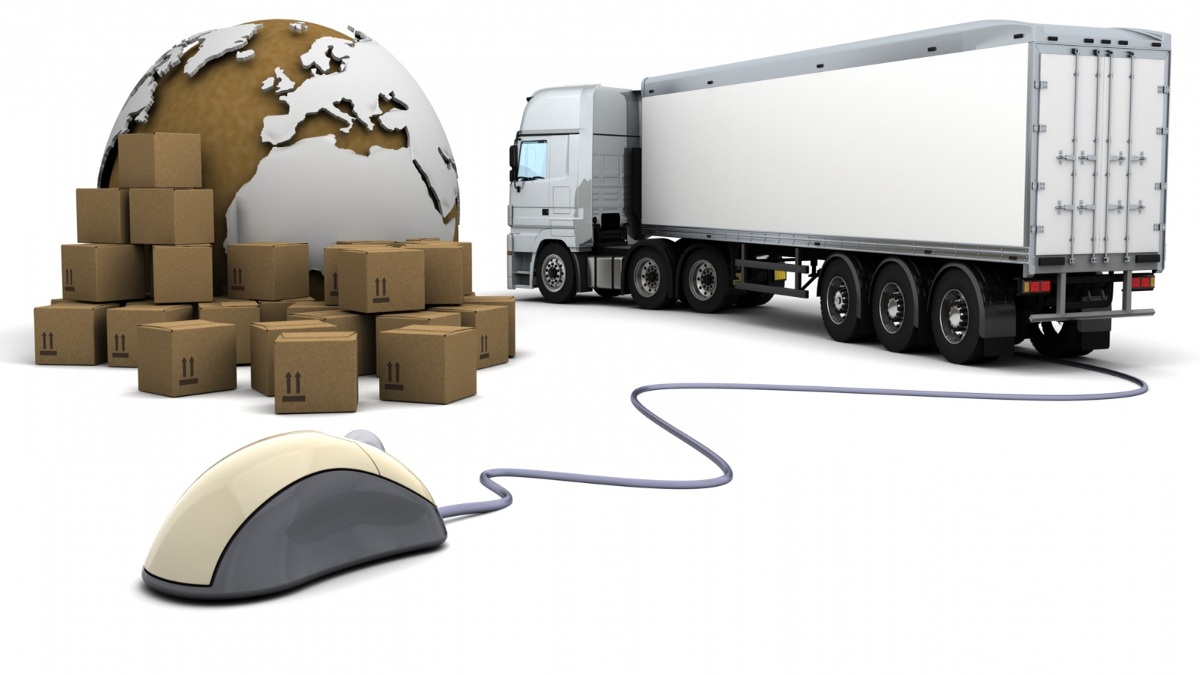
Modern logistics platforms have become the backbone of transportation businesses. They connect service providers, shippers, and clients into a single unified system.
Through features like vahika login, users can manage their shipments, access transport details, and stay updated in real time. These platforms simplify tasks that used to take hours, making them possible in minutes.
Furthermore, digitalization helps reduce paperwork, improve billing accuracy, and ensure faster payments. As everything becomes more automated, human errors decline, and efficiency increases.
The Future of Logistics and Delivery
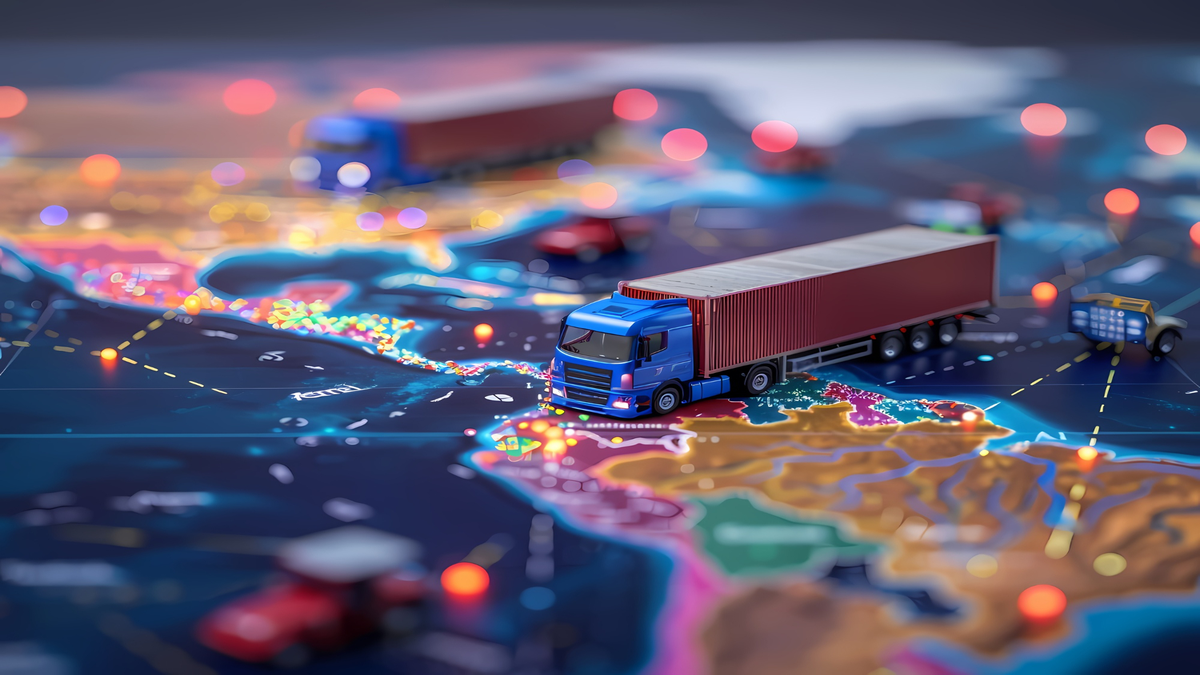
Looking ahead, the logistics industry will only become faster and smarter. Drones, self-driving trucks, and AI-powered delivery systems are already being tested in many parts of the world.
Moreover, blockchain technology will soon make transactions more transparent and secure. Real-time tracking will become even more accurate, and automation will handle nearly all routine tasks.
In this fast-changing environment, digital tools like Vahika Login will continue to play an essential role in managing data, connecting people, and improving efficiency.
As technology evolves, so will customer expectations. Companies that adapt quickly and embrace innovation will stay ahead in this competitive world.
Conclusion
The quick-paced logistics and delivery industry shows how technology can transform movement and efficiency. Every delivery, no matter how small, depends on precise timing, coordination, and innovation.
With advanced tools, automation, and digital platforms like vahika login, logistics operations have become faster, safer, and more reliable. The industry continues to grow because it adapts quickly to change.
In the coming years, as technology continues to evolve, logistics will only get smarter, greener, and more customer-focused. Those who stay prepared will continue to thrive in this dynamic and fast-paced world.
To Get More Updates, Click Here