



We carry our AirPods everywhere. Whether we’re working out, walking in the rain, or just doing daily chores, these wireless earbuds stay close. But here’s the question on many users’ minds: are airpods waterproof?
Understanding how well your AirPods handle water is essential. You don’t want to ruin an expensive gadget just because of a splash of water. In this guide, we’ll dive into everything you need to know. From how much moisture AirPods can handle to tips on protecting them, we’ve got it all covered. Let’s find out how water-resistant your favorite wireless earbuds are.
Waterproof vs. Water-Resistant: A Quick Clarification
Before we explore the details, it’s essential to understand a key distinction. Many people confuse the terms “waterproof” and “water-resistant”, but they don’t mean the same thing.
When something is waterproof, it can be completely submerged in water and still function. You can take a waterproof device into a pool or a bathtub without damaging it. However, water-resistant means the device can withstand slight splashes or brief contact with moisture—but not prolonged exposure or submersion.
This difference matters when it comes to AirPods. You need to know precisely what your earbuds can tolerate, so you don’t accidentally destroy them.
So, are airpods waterproof?
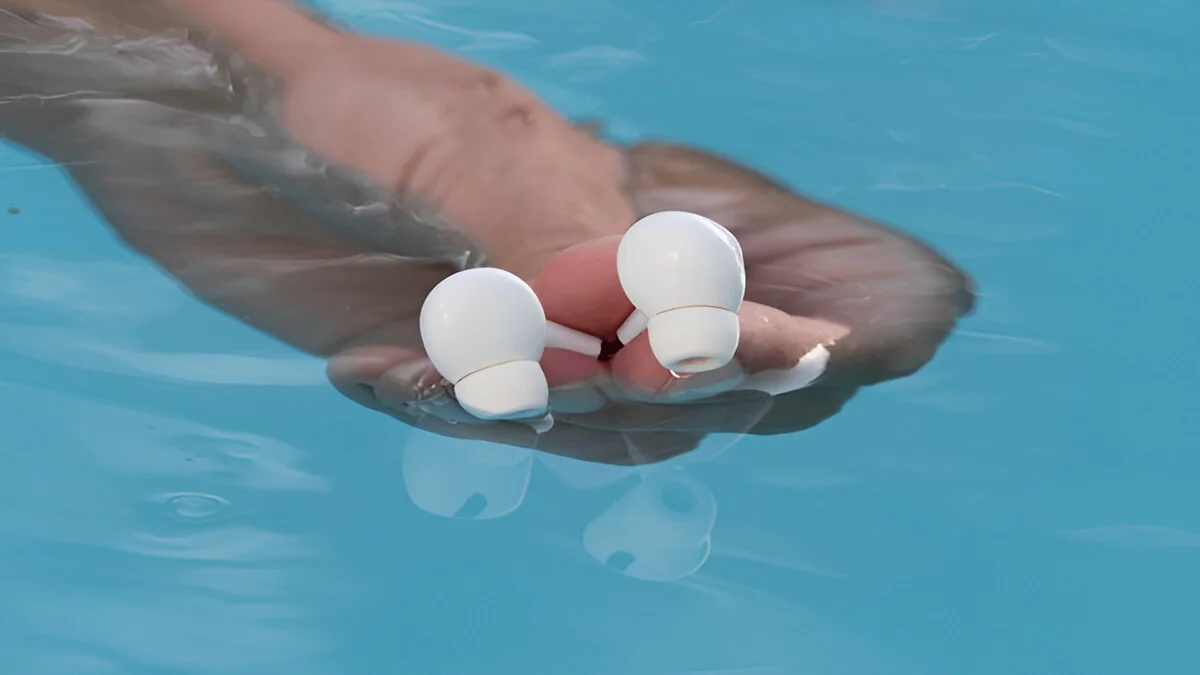
Let’s get right to it—AirPods are not waterproof. None of the AirPods models, whether standard or Pro versions, is designed to withstand complete immersion in water.
The first and second-generation AirPods do not have any official water-resistance rating. That means they offer no protection against moisture. Even a few drops of water or a bit of sweat could damage them. If you’re using these older models, it’s best to avoid water altogether.
Things improve slightly with the third-generation AirPods. These newer earbuds have an IPX4 rating, which means they are water-resistant, not waterproof. They can handle light splashes, such as sweat or light rain. However, they are not safe for swimming, showering, or exposure to heavy rain.
So again, while they’re a bit more durable than the original versions, even the newer AirPods are not truly waterproof.
Now, are airpod pros waterproof?
Now let’s shift focus to the AirPods Pro. Many people assume that because they’re more advanced and expensive, they must be waterproof. But is that the case?
The truth is, both the AirPods Pro 1st and 2nd generation also have an IPX4 rating, just like the AirPods 3. This rating indicates that they are splash-resistant, capable of withstanding a moderate amount of sweat or a few drops of rainwater. This makes them a good choice for workouts or walking outdoors. However, just like the regular AirPods, they are not waterproof.
The charging cases are even more limited in protection. The first-generation Pro case isn’t water-resistant at all. The second-generation Pro case, which features a USB-C port, offers IP54 resistance, providing some protection against dust and splash, but it’s still far from waterproof.
To answer the question “are airpod pros waterproof?”AirPod Pros are not waterproof either. They may be a little more rugged, but they’re still vulnerable to severe water damage.
What the IP Ratings Really Mean
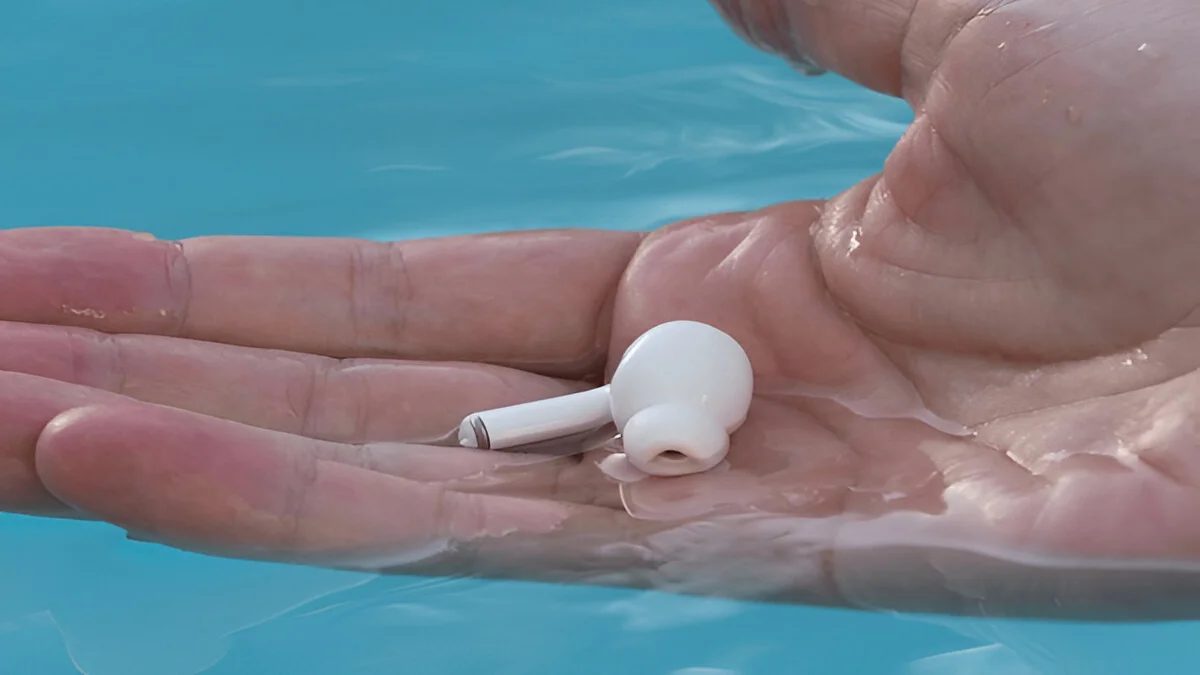
You’ve probably seen the terms IPX4 or IP54 floating around when researching AirPods. These aren’t just random codes—they provide valuable insight into a device’s protection level. IP stands for Ingress Protection, and the numbers that follow refer to the device’s resistance to dust and water. In the case of AirPods and AirPods Pro:
- IPX4 means they can resist water splashes from any direction.
- IP54 means the device is protected against limited dust and splashes of light.
Even with these ratings, your AirPods are not designed for full immersion in water. The IPX4 rating is suitable for minor exposure, but not for submerging them in water or using them in wet environments for extended periods.
Can You Use AirPods in the Shower or While Swimming?
Let’s be honest—it’s tempting. You might want to enjoy your favorite playlist in the shower or take a podcast to the pool. But with AirPods, that’s a significant risk.
Although some models resist splashes, they are not designed to withstand steady streams of water. Showers produce not only water but also steam, which can seep inside the tiny components and cause corrosion. And pools? Don’t even think about it. Chlorinated or salt water is even more harmful than fresh water.
If you accidentally drop your AirPods in the sink, dry them off immediately and let them air out. But don’t make it a habit.
What About Workouts?

Here’s where AirPods and AirPods Pro perform reasonably well.
Thanks to the IPX4 rating, they can handle sweat during exercise. Whether you’re running, lifting weights, or attending a high-intensity class, your AirPods or AirPods Pro should be fine—as long as they don’t get soaked.
Still, it’s a good habit to wipe them down with a dry cloth after every workout. This will help extend their life and prevent moisture buildup. Also, try not to drop them into your water bottle or a puddle on the gym floor. Splash-resistant is not the same as drop-proof.
Also read:
- Find an ocean of games on wheon com
- Why PSVR2 Is the Most Versatile VR Headset Yet
- Don’t let the remote control car price get in the way of fun
- The 25 Best Fish Pokemon: Lets Explore!
- The Significance of Business Impact Analysis in Cybersecurity
What to Do If Your AirPods Get Wet
Accidents happen, and if your AirPods do come in contact with water, here’s what you should do:
- Immediately dry them off using a soft, clean cloth.
- Do not place them in their case right away. Leaving wet AirPods inside their case could damage both the earbuds and the charger.
- Leave them to air-dry in a dry, warm place. Avoid using direct heat sources, such as hairdryers or microwaves.
- Wait at least 24–48 hours before trying to use them again.
Taking these steps may help you avoid permanent damage. But there are no guarantees, especially if they were submerged.
How to Protect Your AirPods from Water
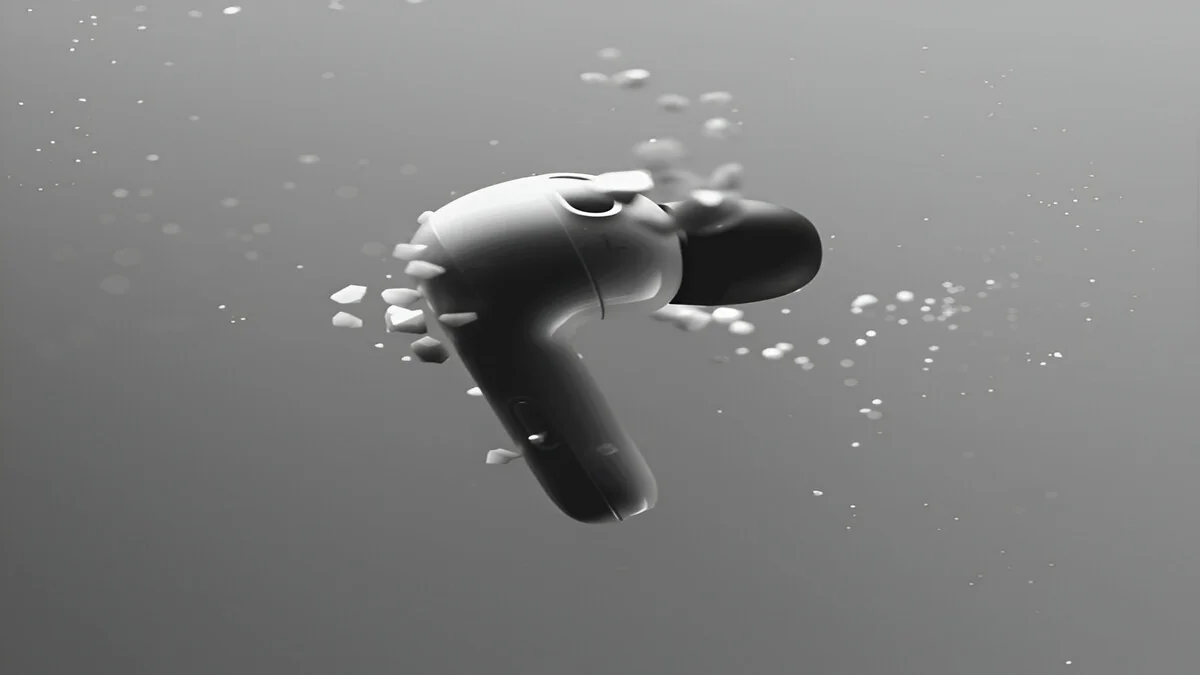
If you regularly use your AirPods outdoors or during workouts, it’s wise to invest in some protection. Here are a few simple ways to keep your device safe:
- Buy a water-resistant carrying case to shield them from splashes.
- Use silicone covers that add a layer of protection around the earbuds.
- Avoid using AirPods near sinks, pools, or bathtubs to prevent water damage.
- Keep a microfiber cloth handy to wipe off sweat or rain.
These small actions can go a long way in preserving the performance and lifespan of your AirPods.
Conclusion
So, what’s the final answer to the question, “are airpods waterproof?” Simply put—they are not. While some models, such as the AirPods 3 and AirPods Pro, offer basic splash resistance, none of them are designed to withstand complete immersion in water.
That means showers, swimming, and heavy rain are all situations you should avoid. If you rely on your AirPods every day, treat them with care. Don’t test their limits when it comes to water.
Understanding their capabilities—and their limits—can help you enjoy your device longer, without the fear of sudden damage. If you need truly waterproof earbuds, it’s worth exploring brands specifically designed for this purpose.
For now, keep your AirPods dry, clean, and safe—because a bit of moisture can cost a lot more than you think.
To Get More Updates, Click Here